

The Internet’s ‘Ego Death’ Turns 10: A Quiet Classic That Changed Everything
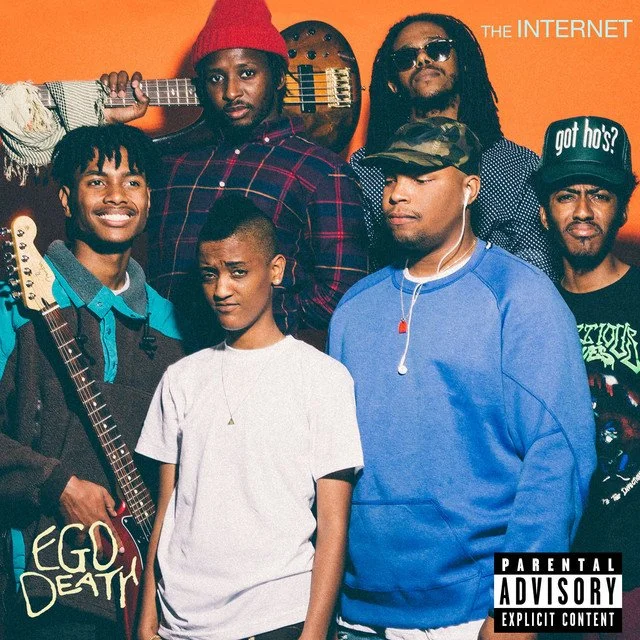
It’s been ten years since The Internet’s Ego Death dropped, a timeless, Grammy-nominated album that hinted at transformation. And transform it did. For the group, for the sound of alternative R&B, and for a generation of music lovers navigating love, identity, and the vulnerability of existing both online and in real life.
This was the group’s first album with guitarist and producer Steve Lacy, who had just joined at 15. By the time the album came out, he was only 17 years old, contributing vocals, instrumentation, and co-production credits that helped shape the album’s hypnotizing, genre-blurring sound. It also marked the first time all members of The Internet appeared on the cover. That was intentional. Matt Martians shared that it was inspired by classic Jackson 5 and Isley Brothers covers, where the full band stood front and center. Simply put, this project was a full-band effort from start to finish.
The album opens with “Get Away,” a deceptively short intro that sets things in motion with a subtle intensity. “Gabby,” featuring Janelle Monáe, glides with a mix of elegance and quiet tension. “Under Control” walks a fine line between composure and collapse, its vulnerability tucked just beneath the surface. On “Just Sayin / I Tried,” the emotional pendulum swings from petty and bruised to introspective and exhausted. Then there’s “Penthouse Cloud,” one of my personal favorites, floating and expansive, with a gorgeous instrumental break that lets the message breathe.
“Girl,” the Kaytranada-produced standout, is probably the album’s most well-known track, and and its timeless appeal makes that clear. The moment it dropped, it felt like a new kind of R&B, minimal but magnetic. For many, it was both an introduction to Kaytranada and a gateway into The Internet’s world. It still feels futuristic today. The album also features guest appearances from James Fauntleroy, Vic Mensa, and Tyler, The Creator, each adding a unique texture without ever pulling focus from the group’s core.
Back in 2015, streaming was still finding its footing. Playlists weren’t yet driving the industry, and artists had more room to experiment without obsessing over skip rates or algorithm performance. Songs didn’t have to be short to survive. Ego Death reflects that freedom. Most tracks stretch past four minutes, unfolding slowly and intentionally. The pacing invites you to sit with the music, ride the basslines, float in the reverb, catch the emotion between the lines. It’s music that asks you to be present. And when you are, you start to hear everything it’s trying to say about identity, detachment, queerness, and the messiness of love.
Syd’s songwriting isn’t shy. She sings to women with the same longing that straight men have used in love songs forever—and in doing so, helped carve space for listeners who hadn’t always felt seen.
The production was raw in the best way, live, layered, and intentionally imperfect. It gave the album a warmth that made it feel personal and alive. Even now, nothing about it sounds dated. If anything, it still feels like it’s unfolding, revealing new textures with each listen. Across 12 tracks, expanded to 14 on the vinyl release with two bonus songs, Ego Death wasn’t just a showcase of The Internet’s evolution. It was a quiet declaration of their place in music history. The instrumentation carried weight, the songwriting carved space for voices that had long been on the margins, and the pacing defied every trend of its time. That Grammy nomination might’ve been subtle, but it was undeniable recognition of how far they’d come and how boldly they did it on their own terms. Ten years later, the album still holds its ground. Not just as a moment, but as a milestone.